Geopoetics
In this series
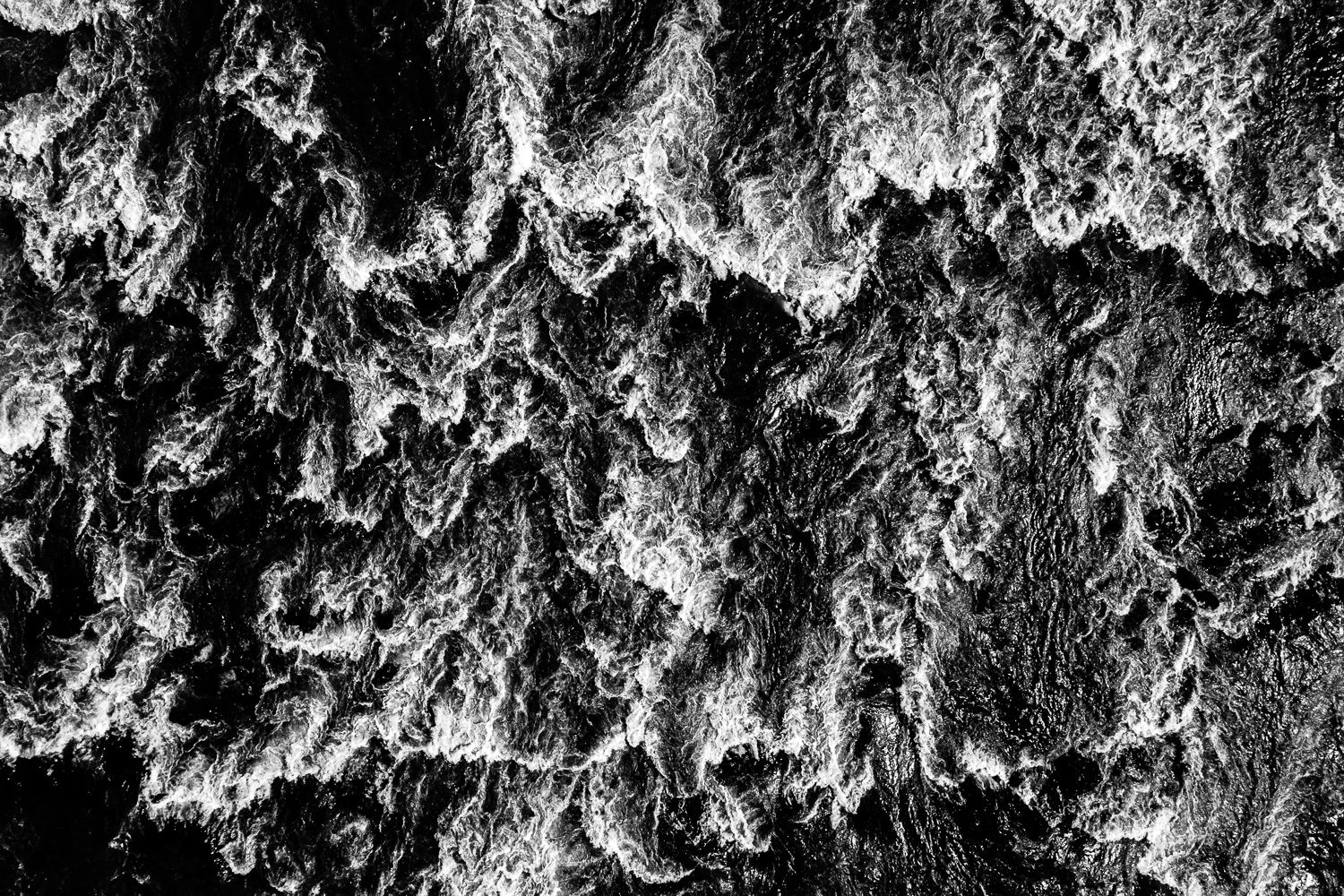
I.Where the Border Runs: Tales from the River Sides2019
With their waters, border rivers divide two countries. Yet they also bind them: places of crossing, of exchange, sometimes of refuge. On either bank, the myth of the far side endures. The waters carry desire, fear, danger, dreams. Where the border finally cuts through the thickness of an undefined zone, men and women from different cultures and histories meet, mingle, collide. A territory where stories branch without end. Where the Border Runs: Tales from the River Sides is a long-term geopoetic project unfolding in several chapters. Each follows a border river upstream; each descends into what is at stake along its margins.
Open →
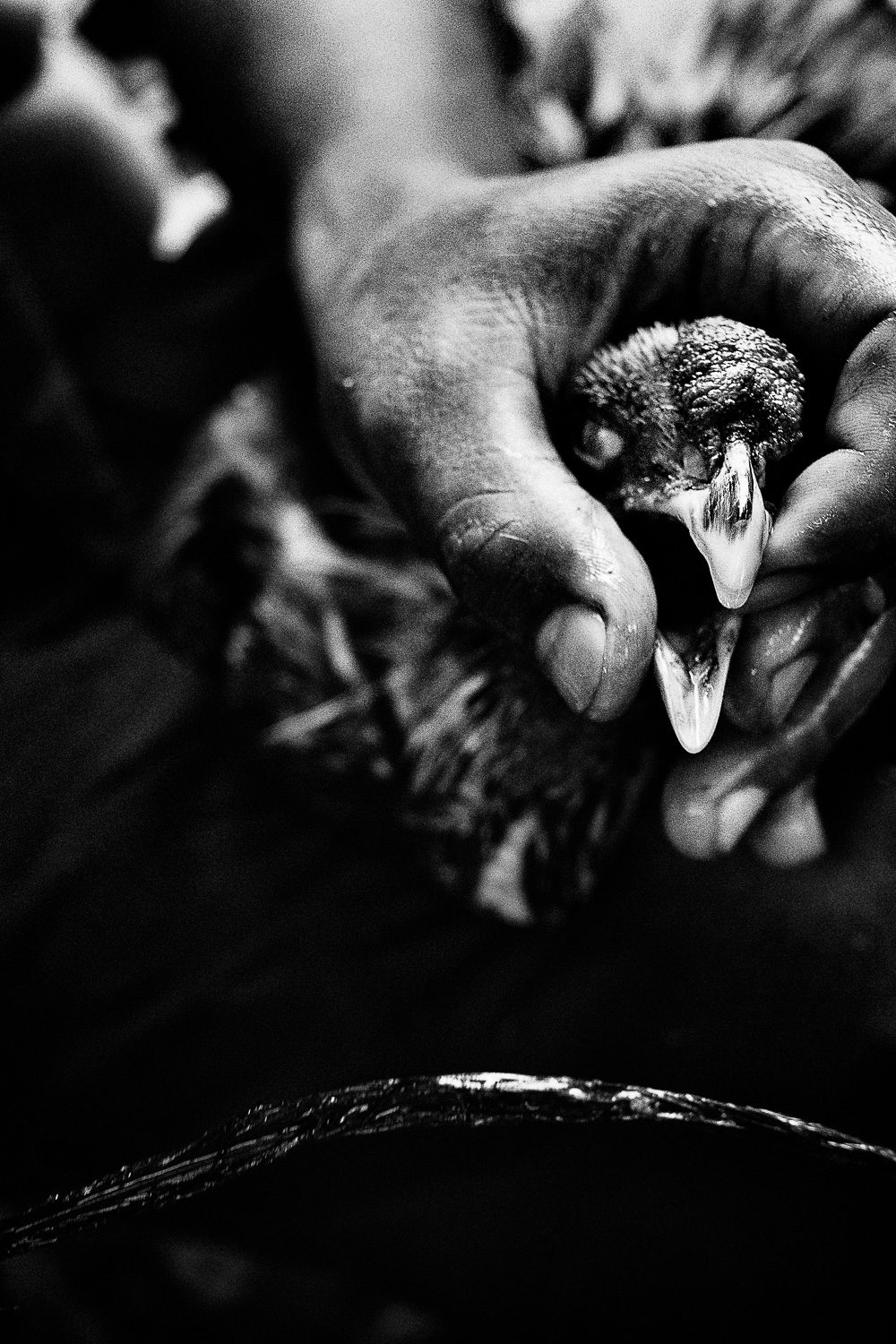
II.Ecdemomania2017 – Now
Ecdemomania (n.): a morbid impulse, an obsession with traveling or wandering. A compulsive need to move away from home. Siberia, India, Iran, the United States, Tibet, Australia. The names hardly matter. None of these places is a destination: surfaces crossed, points of passage, pretexts for motion. Between reality and daydream, the images do not describe the world. They survey an inner landscape, mapping it drift by drift. A way of looking while always standing somewhere else. Out of this wandering, slowly, a lexicon settles. Fragments of space, faces met in passing, traces left or found. Tens of thousands of images, whittled down to a few hundred. A stubborn accumulation, in the image of the impulse that drives it. Stay in motion. Refuse to settle. Take no root. Distance becomes a feeble weapon against Chronos, against the dread of passing time. Every kilometer offers the illusion of a victory. It lasts only an instant. Then you move on.
Open →
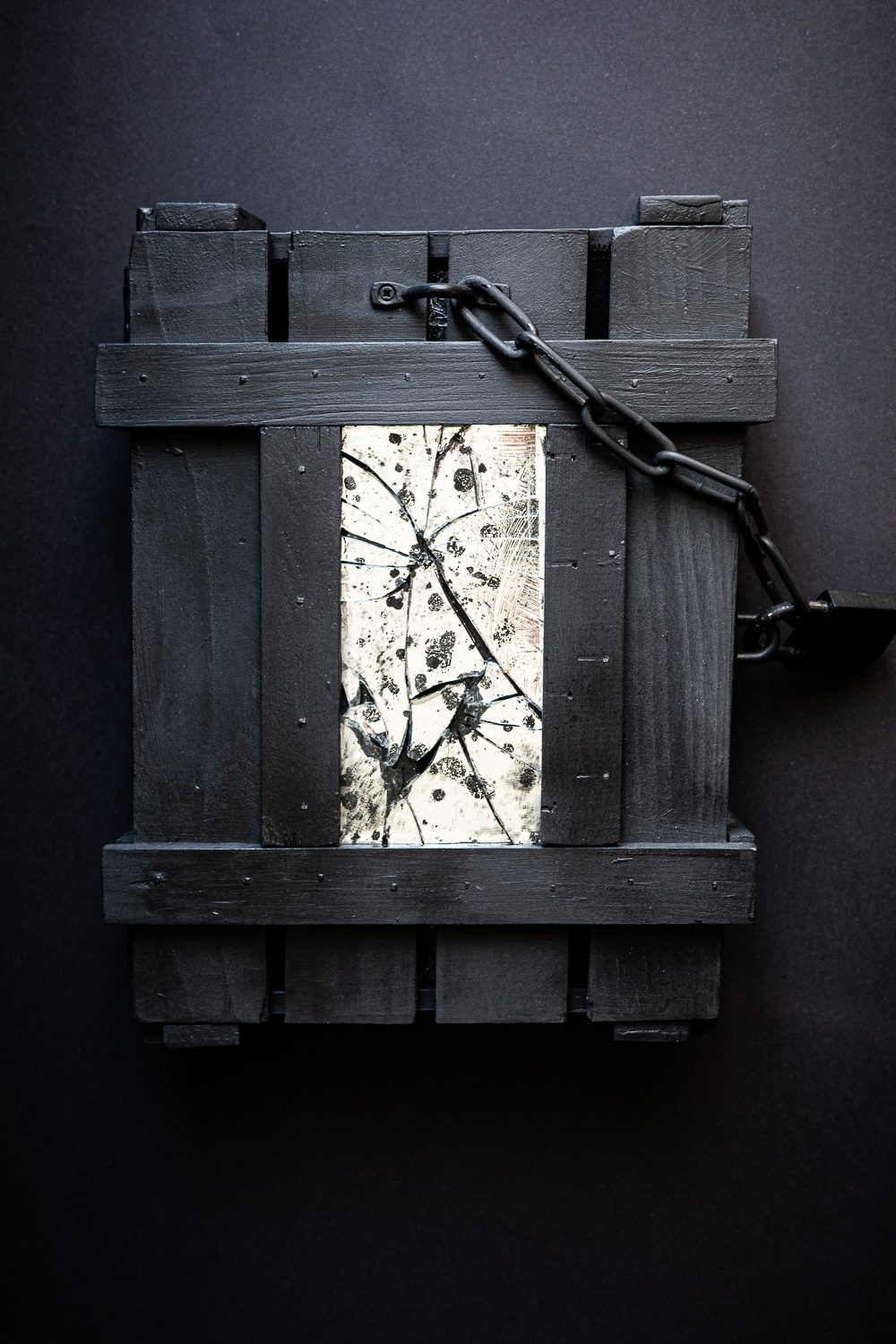
III.FENDU/E2023
It often takes years, decades, for the repressed memories of incest to rise to the surface. The pain is there, the fracture palpable, but the body remembers what the mind cannot recall. You feel your way across the shifting ground of a fragmented self. Aurore Matsa's poems resonate with Bastien Deschamps's photographs, guiding the reader along that winding path. Texts and images compose a road of will and despair, in search of an intelligible form for the ungraspable. The photographs are moments caught during a long wandering on Lake Baikal, Grandfather Baikal. They explore textures, fissures, crazing, the underground oscillations of matter under tension. Born of an encounter as accidental as it was self-evident, this mnesic-poetic object is a pilgrimage. Retracing the marks of suffering, from break to break, it tries to make the shifting visible.
Open →
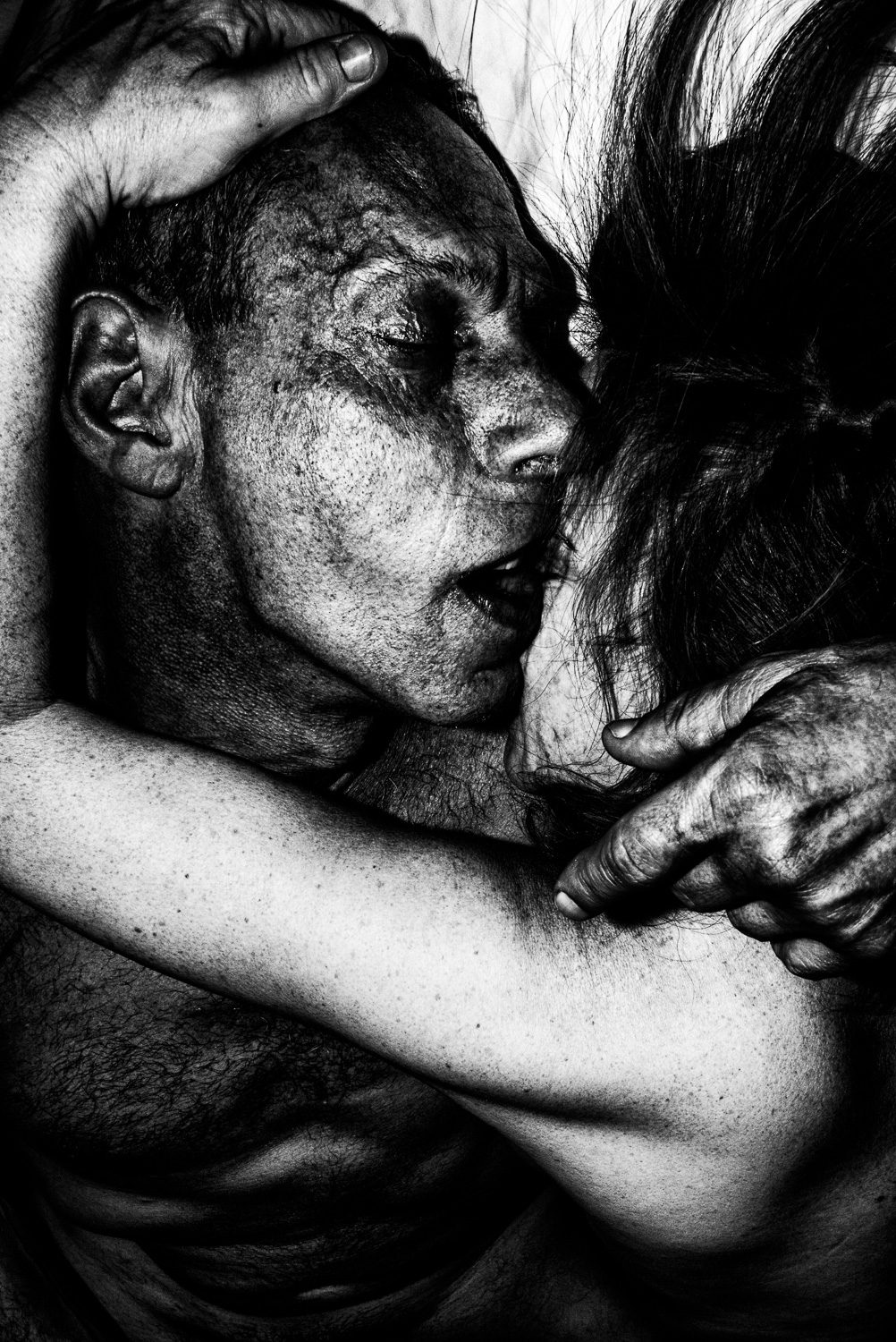
IV.One Night Stand2020
One Night Stand explores sexual intimacy as raw territory. Bodies appear without staging: fragile, desiring, tense. It all begins with a screen. Apps, dating sites, social networks: the same tools used to look for a body served me to look for images. I reach out to couples, settled in long-term relationships, and offer them a strange pact. For one night, I will be their photographic one night stand. I do not intervene. I look. The gestures belong to them alone: attraction, hesitation, surrender, dominance, tenderness. Bodies speak before words do. The series gathers these fragments of intimacy the way one collects traces. Running beneath it, a personal history. Across these territories the screen opens and closes, desire moves differently. Bodies meet. The image remains.
Open →
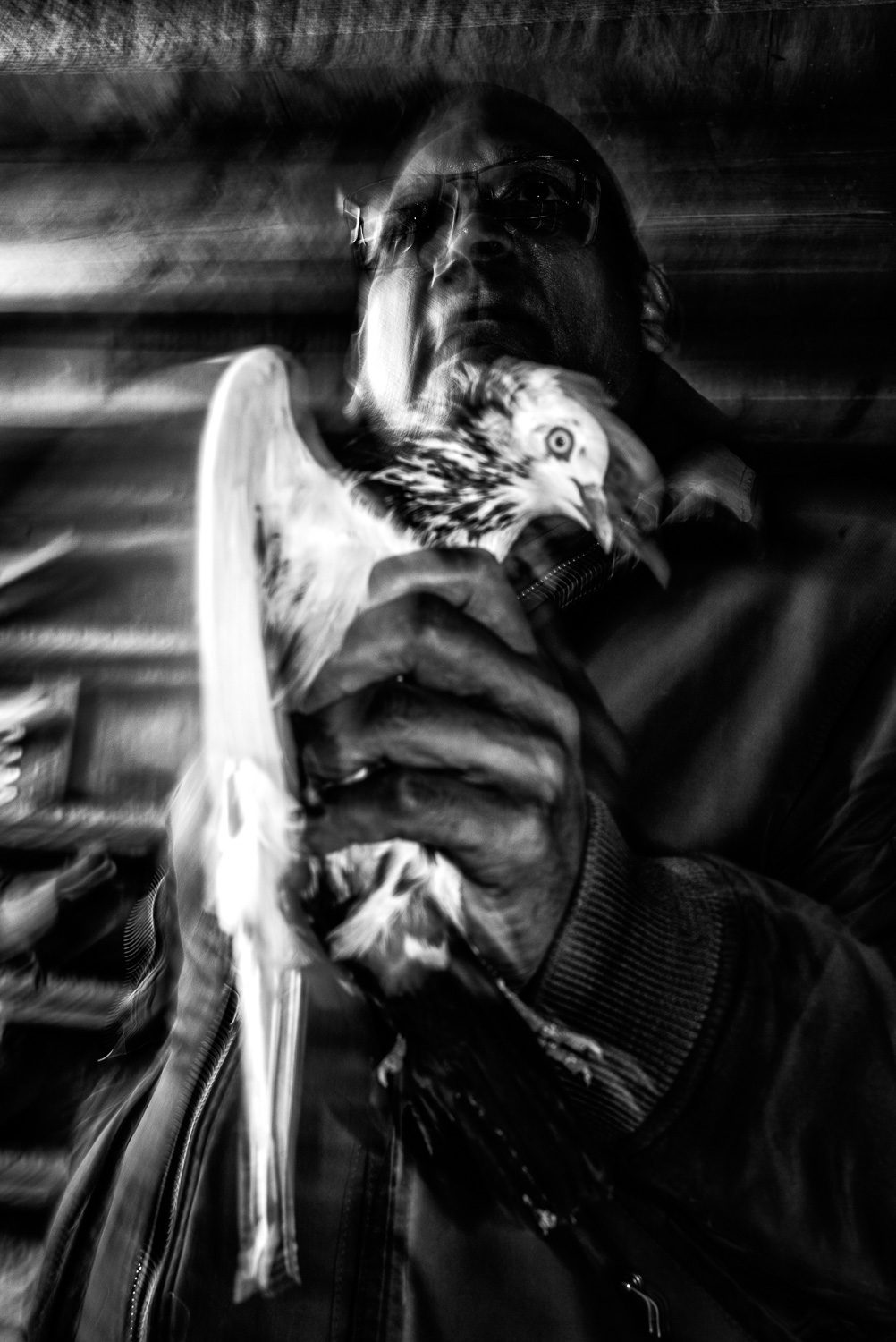
V.The Pigeons Are Getting Braver2019
The pigeon is the quintessential city bird. Its presence on the sidewalk is so ordinary that we no longer see it. But on a handful of Brooklyn rooftops, the pigeon is something else entirely: a passion, an art, a competition, almost a religion. Those who keep them call themselves fliers. They raise hundreds of birds in coops perched above the streets. Every day they feed them, clean the lofts, tend the sick and, above all, fly them. The Pigeons Are Getting Braver is a photo-essay made between January and May 2019. I met ten of these fliers in their hidden worlds above the noise of the streets, to understand their history, their practice and their bond with the birds. Pigeon keeping spread through New York in the mid-1950s, brought to Brooklyn and the Bronx by working-class Italian and Irish immigrants. For the past two decades, a younger generation of Hispanic and African American fliers has kept the subculture alive, with its own pleasures, rules and rites. Today only a handful remain. The lofts are vanishing one by one, swept away by gentrification. The project is an elegiac account of a culture fading out, suspended between refuge and competition, spirituality and obsession, escape and the solitude of the rooftops.
Open →